
Natural Bath & Body Products
Treat your skin right with our all-natural whipped body butters. Made with organic coconut oil and non-toxic ingredients, you’ll love the luxurious hydration these creams provide.
At Wildly Organic, we’re making it easy to find high-quality organic food. We feature a wide range of natural oils to match any meal, coconut products great for gluten-free baking, and other essential organic ingredients your family will love. Our collections showcase the best in all-natural, minimally-processed pantry essentials. FairTrade Certified, always organic, raw, vegan, and kosher-diet friendly, our products are crafted to help feed the body and the mind. Order now to receive 10% off and free shipping on first-time orders!
Treat your skin right with our all-natural whipped body butters. Made with organic coconut oil and non-toxic ingredients, you’ll love the luxurious hydration these creams provide.
Shop organic, raw cacao products -- like fermented and non-fermented powders, nibs, cacao butter, and chocolate syrup -- that use only organic ingredients and are Certified FairTrade.

Stock your pantry with our full range of organic coconut products, including oils, coconut milk powders, flakes, syrup, gluten-free coconut flour, and more.
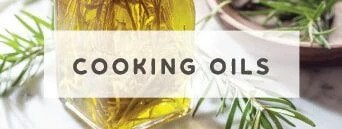
More than just coconut oil. Our minimally processed, unrefined cooking oils include Olive Oil, Red Palm Oil, Sesame Seed Oil, Avocado Oil, and our unique Sautee Oil.

This collection showcases our most popular organic food online and gives you healthy options for favorite products like butter alternatives, hot chocolate mix, and vegetable glycerin.

For those who are looking for delicious and nutritious baking alternatives discover these gluten-free flours made only with organic ingredients!

Looking for organic herbs? We offer powdered, cut, and whole options for your culinary needs.

Going keto? Stay healthy and satisfied with these tasty, keto-friendly organic food online! Browse everything from keto-friendly cooking oils to raw nuts and keto cacao products.

Coconut oil is delicious and perfect for baking and cooking. It’s also excellent to use as a skin and hair moisturizer. We offer several different organic varieties to meet every taste and need, ranging from virgin to refined.


For low calorie or hypoglycemic sugar substitutes that don’t have the health concerns of refined, white sugar, or chemical-laden alternatives but still taste great. Explore our all-natural sweeteners.


Few foods are as naturally tasty or packed with healthy minerals and nutrients as organic nuts, seeds, and nut butters. Explore our organic, raw, soaked, and dehydrated selection today!

Popcorn itself is a healthy snack choice -- until you load it up with flavorings that read like something out of a chemistry textbook. Explore our popcorn products for a more natural alternative!


When you’re looking for natural pantry essentials to add to your home, don’t leave out these heirloom healthy carbs!

Featuring all organic ingredients, our salad dressings & condiments are sure to add life to every salad.

Our Himalayan pink salt is sustainably-mined and perfect for adding flavor to virtually any savory dish.

Complete your dish with the intense flavors and richness of our all-natural, sustainably-sourced spices and seasonings from around the world.

Going vegan? Stock your pantry with our collection of organic vegan ingredients and other vegan organic food online.
*Free and flat-rate shipping options apply to retail customers in the lower 48 states, continental U.S. only. We do not refund shipping charges once an order has shipped.
Allergen Warning: Our products are packaged and processed in a facility that also processes tree nuts (never peanuts) and other allergens.
These statements have not been evaluated by the Food and Drug Administration. These products are not intended to diagnose, treat, cure, or prevent any disease.
