Red Palm Oil | Organic
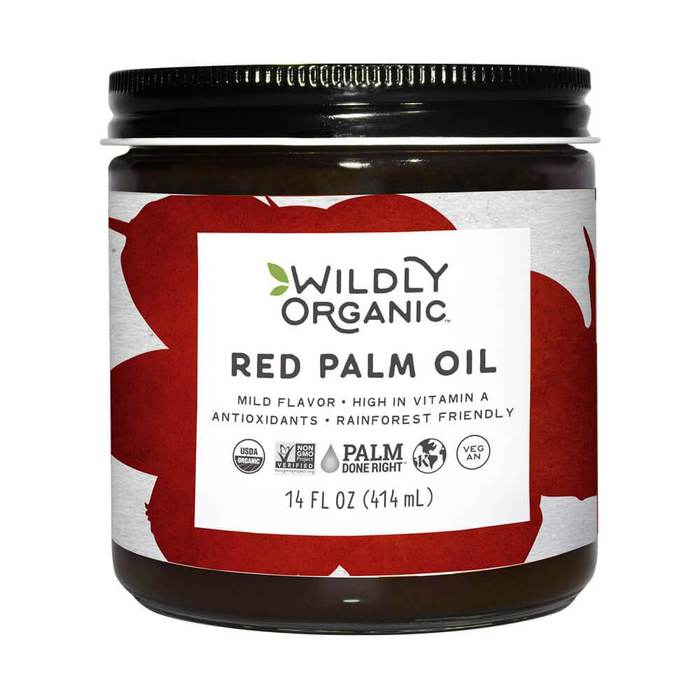
Our red palm oil is a one-of-a-kind product made by special order for us from an eco-friendly processor in Ecuador with sustainable agricultural practices.
This unrefined red palm oil for cooking is rich in fat-soluble antioxidants, such as beta-carotene (vitamin A), tocopherols, and tocotrienols (vitamin E). With a remarkable neutral flavor and a dark red-orange color, our organic red palm oil stands out both in quality and nutritional value.
Wildly Organic does palm oil differently, with the planet at the forefront of our minds. We know about the devastating practices and destruction of the environment and wildlife due to the popularity of palm oil monoculture plantations. Deforestation, pollution, habitat destruction, and human rights violations are only a handful of the effects of irresponsible palm oil cultivation.
We take all of these issues into consideration and address them head-on. We work directly with an environmentally conscious farm in Ecuador that has some of the most rigorous ethical practices in the industry. We are proud to present you with an organic red palm oil that is not only good for the planet but excellent for your health and wellness.
Wildly Organic’s red palm oil is sustainable, healthy, and gives you complete peace of mind.
Organic Palm Oil – A Traditional Food
For thousands of years, most of the food eaten by the human race came from natural, unprocessed foods. Nuts, seeds, and olives were often freshly pressed for use as oil.
Just like the olive tree, special palm trees in tropical, rainy climates supplied precious oil from the pulp of their fruit. We call this deep red-orange oil red palm oil.
Natural palm oil is produced from the fruit of the red palm, Elaeis guineensis. This palm tree can now be found in the wet, rainy areas of Africa and tropical rainforests of Asia and South America.
A Habitat-friendly Red Palm Oil for Cooking
Wildly Organic’s palm oil comes from Ecuador, where there is no threat of harming orangutan habitats—one of the harmful environmental impacts of palm oil production.
It’s RSPO-certified, keto-friendly, non-GMO, Fair for Life certified, and part of the Palm Done Right Campaign.
Apart from its use in cooking, red palm oil is also beneficial for the skin and hair. Its moisturizing properties can help with dryness and inflammation while enhancing the overall appearance of hair and skin.
How Our Organic Red Palm Oil is Made
Our producer works with over 129 small farmers and 150 small farms in Ecuador. Farmers handpick red palm fruit and transport them to a mill. They are steamed to 200ºF to release the oil before being cold-pressed.
In working with the Palm Done Right Campaign, our producer’s farms in the Ecuadorian jungle have no clear-cutting, burning, or planting in the primal forest. They organically grow palms on degraded land next to complementary crops and uncultured land, which promotes biodiversity.
Recipes and Skincare With Red Palm Oil
Our organic palm oil has a high smoke point of 350F, making it a more stable oil for cooking and sautéing.
You can use it in these recipes:
- Carrot Cake Muffins
- Paleo Brazilian Fish Stew
- Cheesy Herbed Cauliflower Rice
- 5-Ingredient Curry Roasted Potatoes
- How to Use Red Palm Oil for Your Skin and Hair
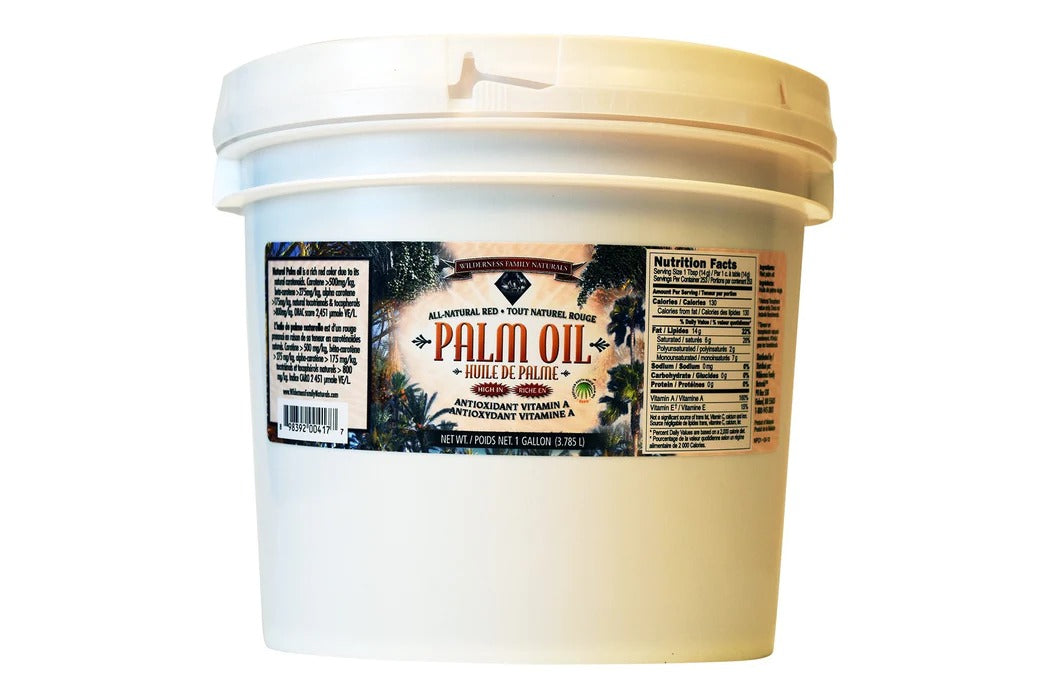
Our red palm oil for cooking arrives ready-to-use in 14 fluid-ounce amber glass jars and 1 and 5-gallon pails. Shop now and get free shipping on $49+ orders!
*These statements have not been evaluated by the Food and Drug Administration. These products are not intended to diagnose, treat, cure, or prevent any disease.
Frequently Asked Questions
Want to learn more about our red palm oil? Then continue to our FAQs!
How is your organic red palm oil different from other palm oils?
Most palm oils have been refined, bleached, and deodorized. Unfortunately, this refining process may remove all their carotenoids, tocopherols, and tocotrienols. However, Wildly Organic’s palm oil preserves those fat-soluble vitamins, as seen through its deep reddish-orange color and pleasant, neutral taste.
What is palm oil good for?
Palm oil is rich in antioxidants, which may benefit heart health, boost the immune system, and improve vision. This oil is also a great source of vitamin E, which is fantastic for hair and skin. It may also protect the brain from free radicals and may benefit those with diseases like dementia.
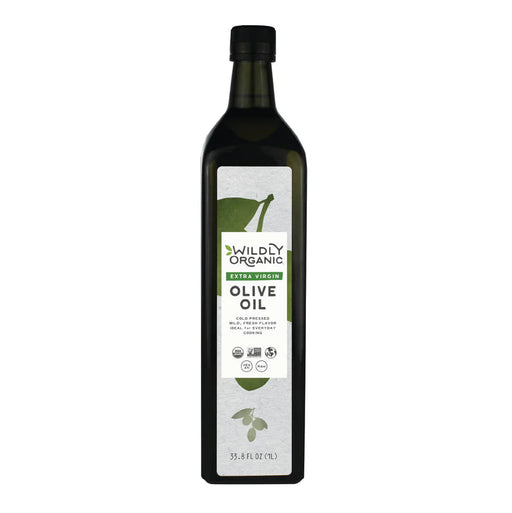
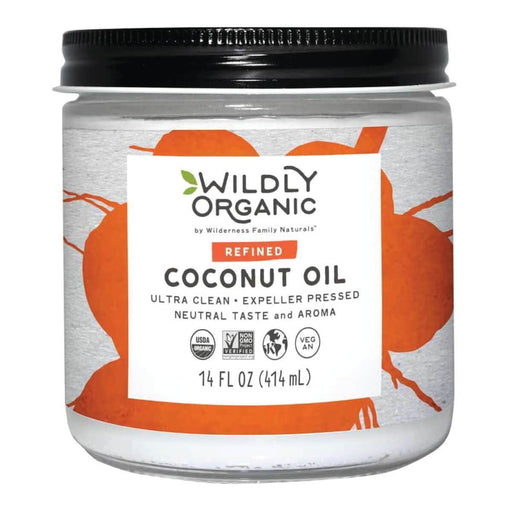
How does red palm oil compare to other oils like olive oil and coconut oil?
Organic palm oil contains more beta-carotene and vitamin E than alternatives like olive oil and coconut oil. It remains stable when used for cooking. However, it also has a higher fatty acid content. Use it in moderation.
Who should avoid red palm oil?
People with high cholesterol and heart disease should limit their use of red palm oil for cooking. Organic red palm oil is rich in fats and may pose a risk to these individuals. Additionally, those allergic to palm oil should avoid this product.



- Ecuador