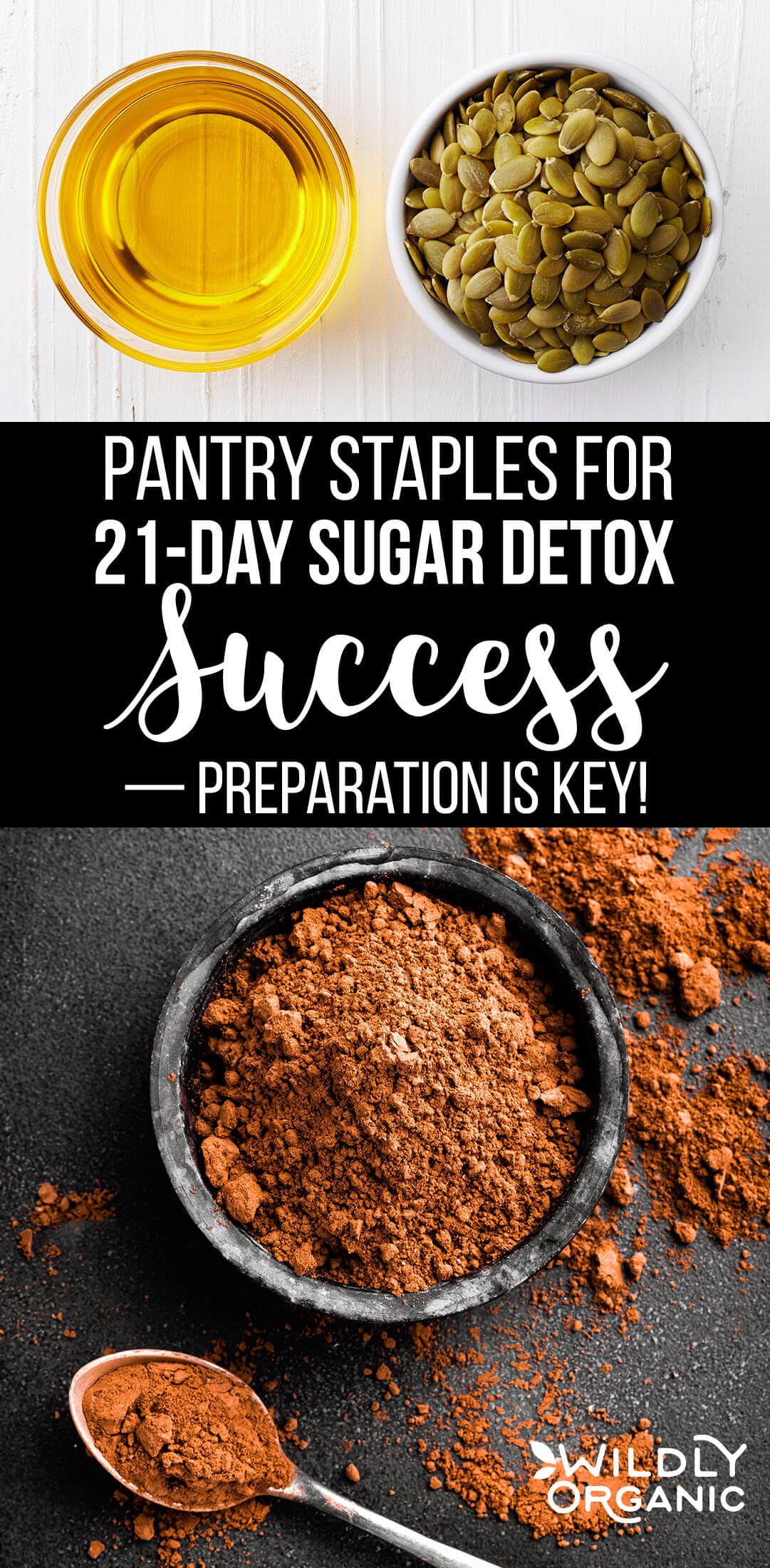
Whether you’re new to the healthy eating scene or just looking to craft new meals you and your family will love, Wildly Organic’s clean eating blog focuses on natural ingredients, delicious recipes, and organic DIY ideas that promote healthy nutrition from the inside out. From quick, kid-friendly treats to meal prepping and all-organic recipes, you’ll find a wealth of information right here.
To get started, simply browse around, and find a recipe that speaks to you. We link to the organic ingredients you’ll need, so it’s easy to pick up the essentials, as well as any other items that catch your eye. Dig in!
Everyone has to start their journey somewhere. Our goal at Wildly Organic is to enhance the lives of health-minded folks from all walks of life. Improving your diet can be a daunting process, but our natural-minded blog makes it easier for you. You’ll find that many of our recipes are surprisingly beginner-friendly, even though the results would make any chef smile.
Contact Us for Assistance
Looking for a specific ingredient? Contact us! Our clean eating blog is a great resource to get you started, but the possibilities are endless. We love hearing from our amazing customers, and we encourage you to get in touch with our friendly team for any reason. Your satisfaction is our guarantee. Enjoy our natural blog, shop clean, minimally processed ingredients, and take advantage of free shipping on purchases +$49.