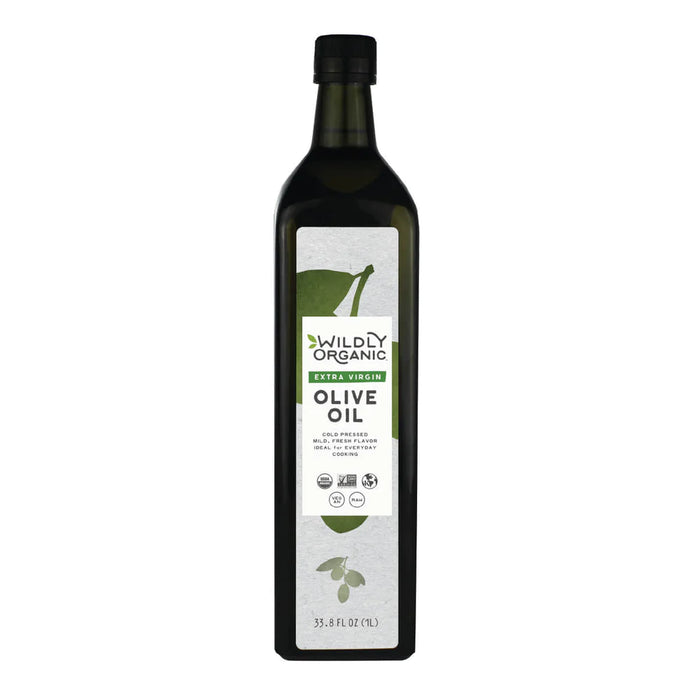
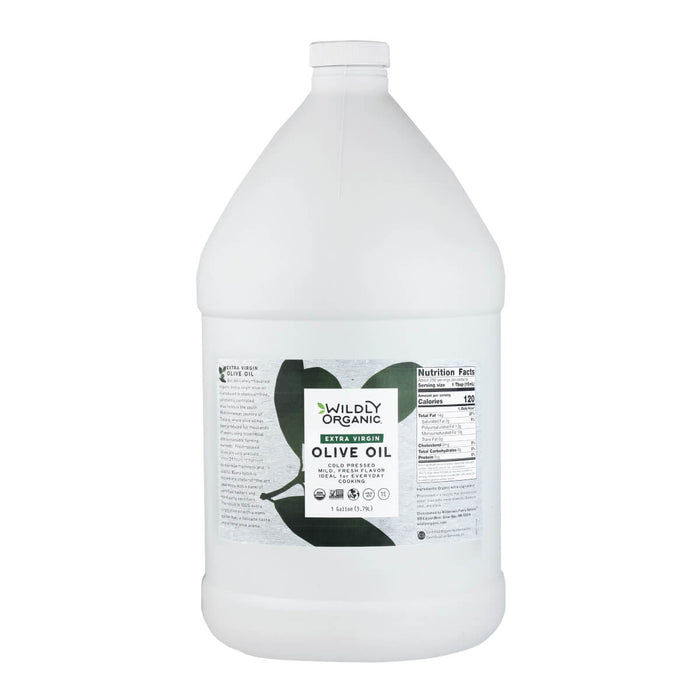
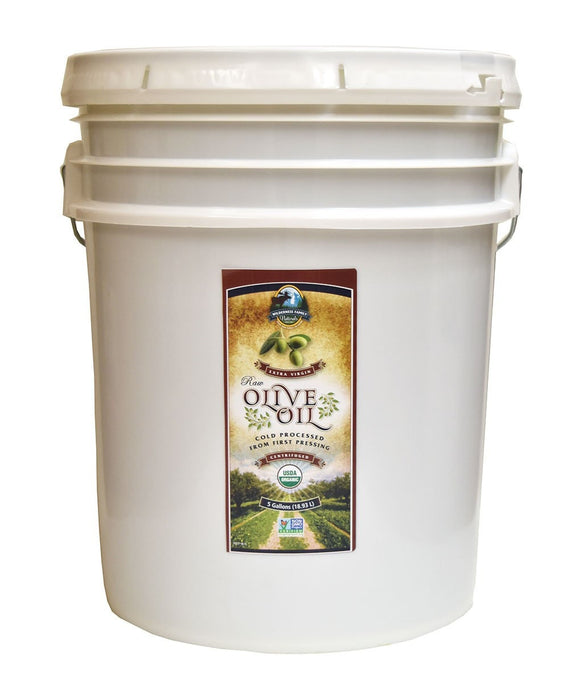

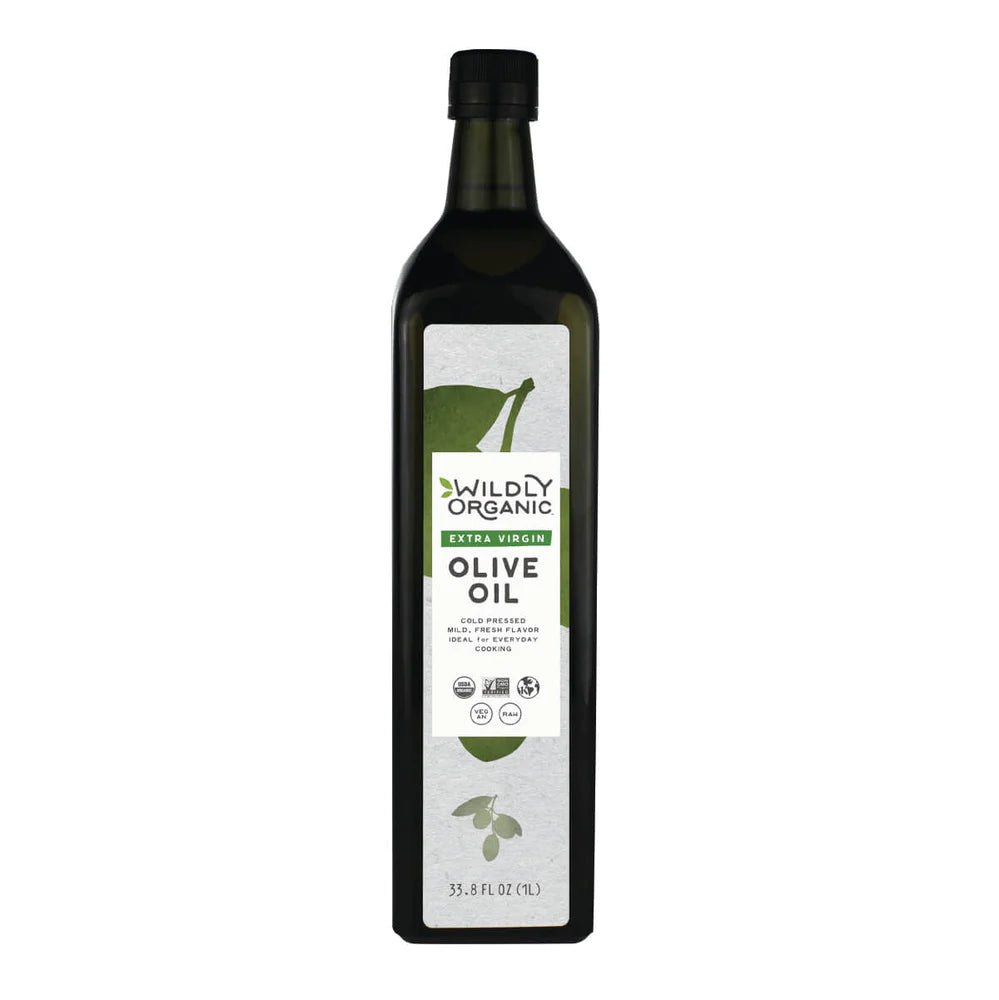
Organic Extra Virgin Olive Oil
Crafted in the sunny southern Mediterranean, this organic Extra Virgin Olive Oil (EVOO) is just exquisite. Once you have tried it, you’ll never return to your old brand!
Where Does Wildly Organic’s Pure Olive Oil Come From?
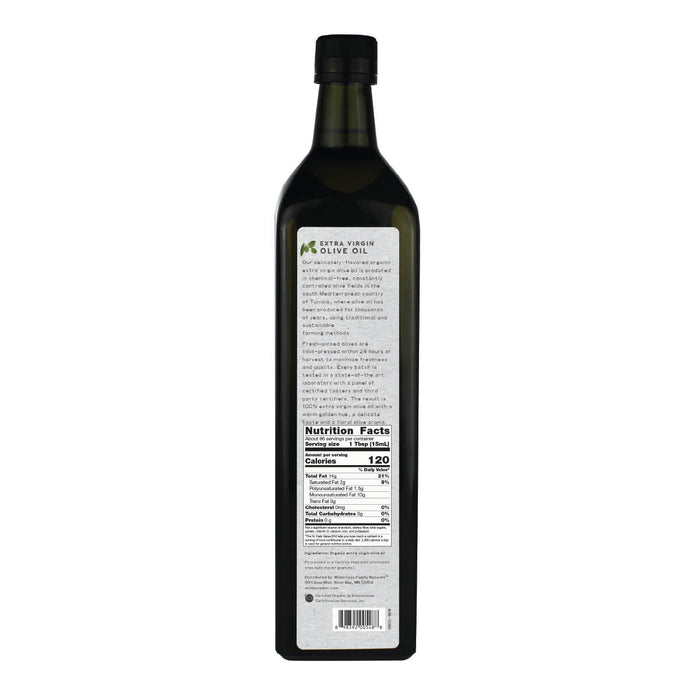
Like all of our products, this delicately flavored raw olive oil is minimally processed and uses the finest ingredients and methods. It is produced in chemical-free, constantly controlled olive fields in Tunisia. For thousands of years, the best extra virgin olive oil has been made here, using the traditional and sustainable farming methods known to the Sfax region of the country.
Besides making delectable organic extra virgin olive oil, our producers are both environmentally and socially conscious; they strive to reduce their carbon footprint through recycling, innovative processes, and responsible packaging. Recognizing that nurturing the community of farmers and employees is as important as nurturing the olive fields themselves, our suppliers offer training, support education, sponsor civil associations, and engage with the community.
How Is The Oil Processed?
If you want to change to a healthier cooking oil, you should try EVOO. Organic extra virgin olive oil offers various health benefits, and it all lies in its preparation processes.
Once the olives are handpicked from the trees, they are cold-pressed within 24 hours of harvest to maximize freshness and quality. Every batch is tested in a state-of-the-art laboratory with a panel of 8 certified tasters and third-party certifiers. The result is pure olive oil with a warm golden hue, a delicate taste, and a floral olive smell.
What Does EVOO Taste Like?
The taste panel classifies the olive oils by fruitiness, bitterness, and pungency. Our organic extra virgin olive oil has a maximum acidity of .8% (typically .4%), making it the cream of the crop. We chose this mild flavor for its delicious taste and versatility with other ingredients. We believe its smooth, delicate flavor makes it ideal for everyday cooking.
This high-quality, raw olive oil is packaged for our customers in dark-green glass containers and stored under organic sanitary conditions to maintain quality and freshness.
Want to learn more about what makes this the best extra virgin olive oil? Learn more directly from the Wildly Organic blog.
Frequently Asked Questions
Have questions about our olive oil? Read the answers to your most common questions below or contact us today.
What is the difference between organic extra virgin olive oil and regular olive oil?
The difference between regular olive oil and EVOO is in their extraction process. A lot of companies heat and refine olives to extract regular olive oil. However, we cold-press our olives to produce unrefined oil with a better flavor that’s higher quality.
What is extra virgin olive oil used for?
You can use pure olive oil in any of your favorite recipes. The healthy fats and antioxidants in this oil may offer your body numerous benefits. You can use the oil for frying, baking, roasting, or making a delicious salad dressing. You can even use olive oil for natural skincare!
How long does organic extra virgin olive oil last?
Bottled olive oil can stay good for 18-24 months. It’s best to buy raw olive oil within 12-18 months of its production date and use it within six months after opening. So don’t keep your olive oil only for special dishes. Use it to make every dish special.
Is pure olive oil healthy?
EVOO may be one of the healthiest cooking oils you can find that also has a higher cooking temperature. Studies show that organic extra virgin olive oil may reduce the risk of heart disease, cancer, and dementia in frequent consumers. Monounsaturated fat found in olive oil, called oleic acid, makes up 73% of the oil content and it has been linked to reduced inflammation and may even have beneficial effects on cancer.
We run tests for general quality parameters, fatty acids composition, and sterols. We do not regularly test for polyphenols. The average range of polyphenol content of our Tunisian olive oil, when tested, is between 250 mg/kg and 400 mg/kg. Under the EU Regulation 432/2012 approved health claims, olive oils with a count above 250 are considered high in polyphenols.
*These statements have not been evaluated by the Food and Drug Administration. These products are not intended to diagnose, treat, cure, or prevent any disease.


- Tunisia