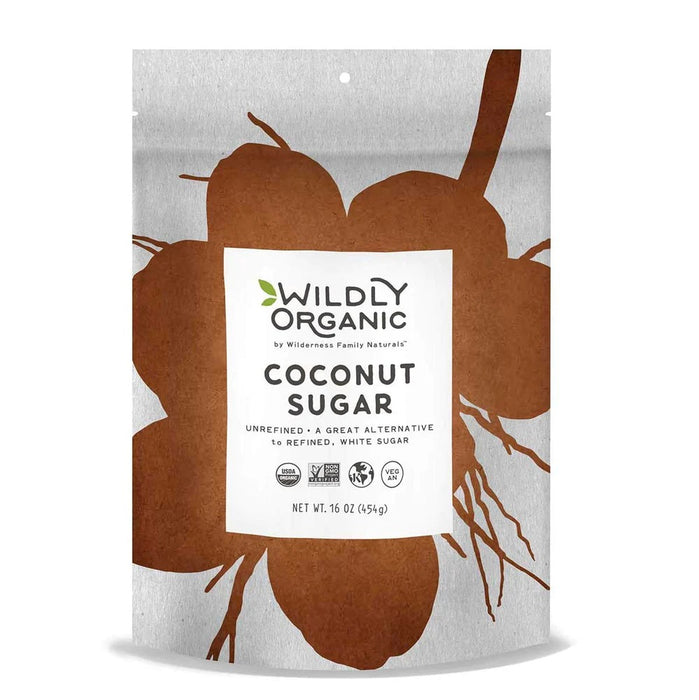
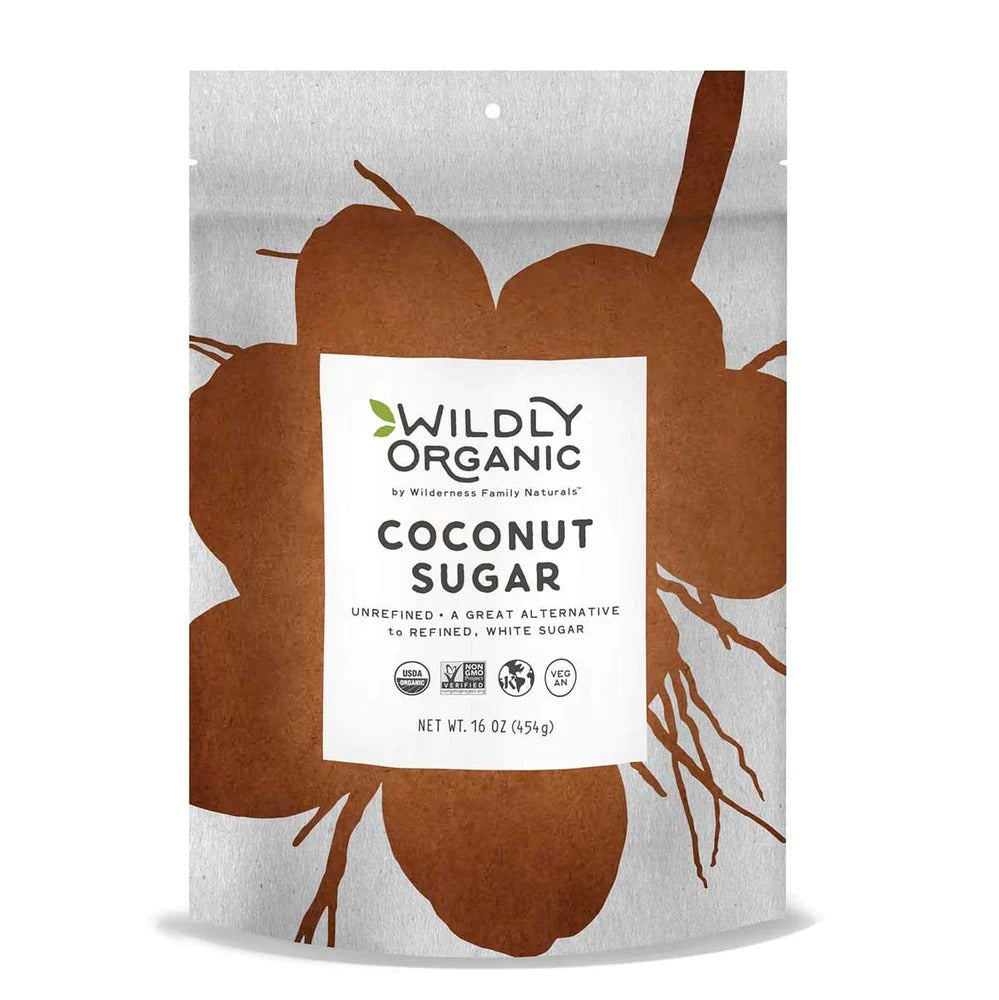
Organic Coconut Sugar
Our Organic Coconut Sap Sugar is a light brown all-natural sweetener that tastes a bit like brown sugar. It has all the natural goodness of coconut water. You can use coconut sugar to sweeten your favorite beverages, sauces, marinades, or main dishes. Most people use bulk coconut sugar instead of white, refined sugar, brown sugar, and muscovado sugar in their recipes.
What Is Coconut Sugar?
Coconut palm sugar is a natural, high-energy food source made by collecting sweet sap from the flowering stem, called an inflorescence, at the top of the coconut tree. The inflorescence is carefully clipped and bent into a bamboo container for collection.
Twice a day, these trees are climbed, and bamboo containers are switched out. It is usually the men and sons who do this, and to watch them climb the trees is incredible!
The collected sap is transported into a kitchen, where it's brought to a light simmer to concentrate the coconut sugars. Once crystals begin to form, the solution is removed from the heat, and crystallization of the entire basin occurs rapidly.
Bulk Coconut Sugar, From Family Farms to Your Home
The women in the kitchen grind the crystals while they are still moist to break them into very small grains. These grains are packaged into 10 kg bags and transported to the Quality Control Center.
Over 700 families who make this coconut sugar bring their products here, where it is further dried and tested for moisture content, particle size, and microbes. Ocean-going containers arrive and are filled with organic coconut sugar bound for America.
Sustainable Harvest
Recently some articles stated that the collection of coconut sap can harm coconut trees and affects coconut oil and coconut milk production. Nothing could be further from the truth. To read more about this, please click here.
What’s special about this coconut sugar is that it’s organic, non-GMO, and sustainable. On every acre of farmland, the coconut palm trees produce 50 -75% more sugar than ordinary cane sugar. And it only uses 20% of resources compared to cane sugar.
This organic coconut sugar is unrefined which means it contains natural minerals and nutrients like zinc, iron, potassium, and calcium. It also has a small amount of soluble fiber called inulin, that helps manage blood sugar spikes after your meals.
It’s an excellent sweetener for your coffee, tea, smoothies, baking, and so much more!
Frequently Asked Questions
Want to learn more about this product? Take a look at some of the most frequently asked questions to find answers.
Is organic coconut sugar better than regular sugar?
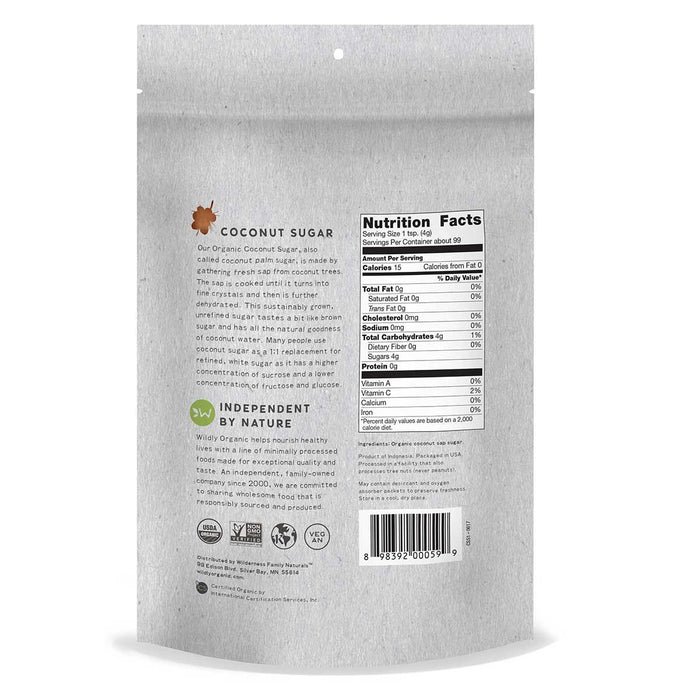
Coconut sugar is one of the seven natural sweeteners that are healthier than refined sugar since it is less processed. It has the same number of calories as refined sugar and other sweeteners. However, it also contains some nutrients that may give it an edge over the other sugar alternatives.
Is coconut sugar a healthy sugar?
Bulk coconut sugar has only around 75% sucrose. The rest is made of nutrients such as vitamins, minerals, and flavonoids. These nutrients may make it a healthier sweetener that may benefit your body. Organic coconut sugar also has healthy fats that may help prevent high cholesterol and heart disease.
Can diabetic people eat coconut sugar?
Studies show that coconut palm sugar may have significant amounts of inulin, which may help diabetic people control their blood sugar levels. It also has a low glycemic index. However, It’s important to know and understand what coconut sugar is: a sweetener. You should always be mindful of your intake if you have diabetes.
Can I use coconut sugar for baking?
You can easily use organic coconut sugar in your favorite baking recipes. Just swap it out for a 1:1 ratio in place of regular sugar. It tastes like brown sugar and works well in moist batters and chewy cookies since it retains moisture.
*These statements have not been evaluated by the Food and Drug Administration. These products are not intended to diagnose, treat, cure, or prevent any disease.


- Indonesia