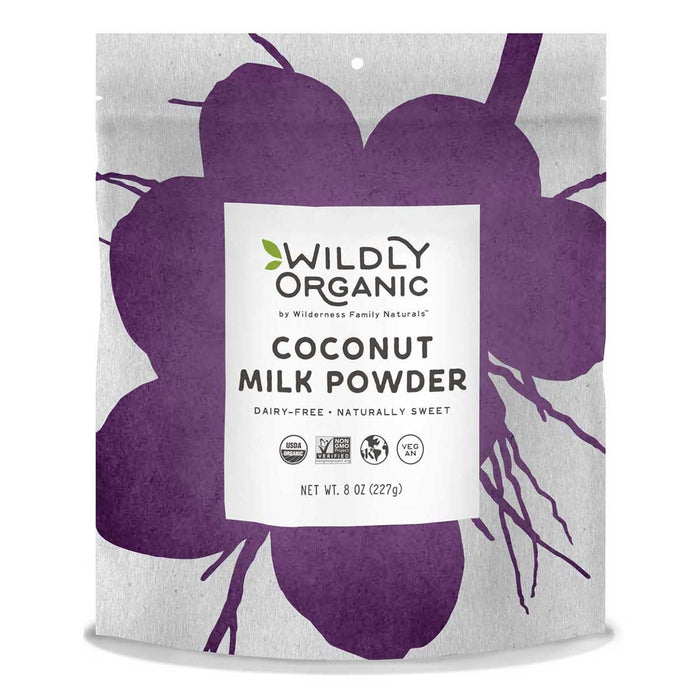
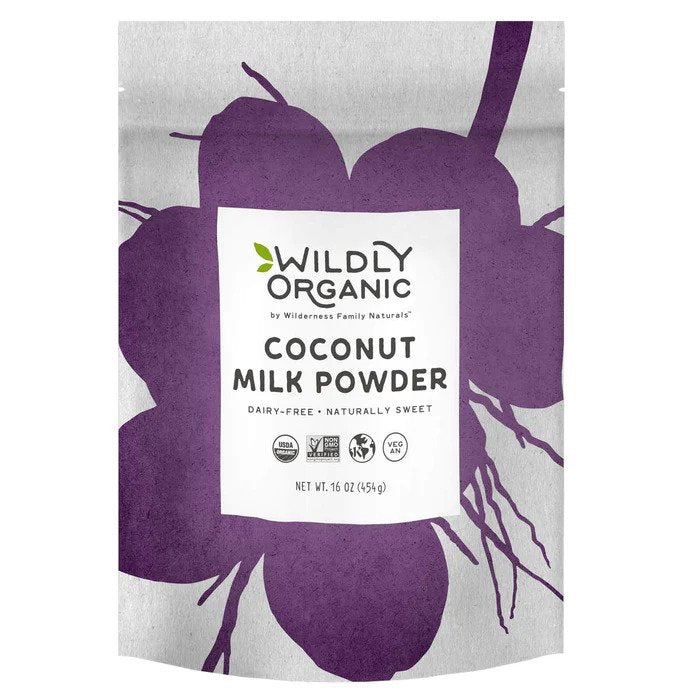
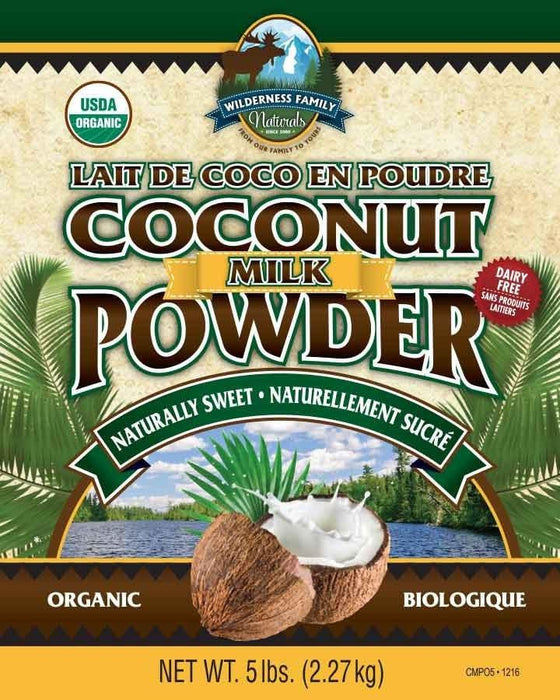
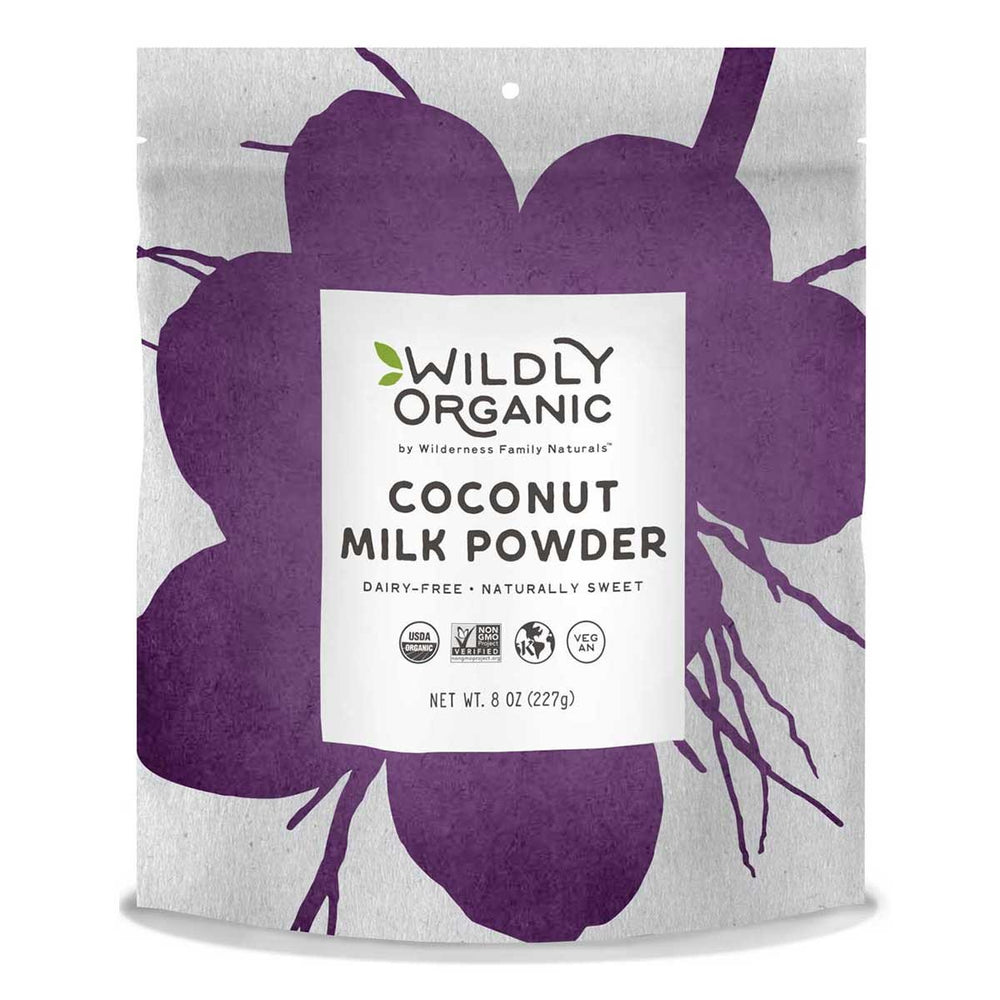

Organic Coconut Milk Powder | Non-Dairy
Vegan-Friendly and USDA Certified Organic Non-Dairy Milk Powder
Wildly Organic’s coconut milk powder is made with the highest-quality plant-based ingredients to produce a delicious, vegan superfood. Our all-natural non dairy milk powder is packed with healthy nutrients and is free of gluten, preservatives, and added sugars.
Manufactured through spray-drying raw and organic coconut cream, this minimally processed dairy-free product tastes as luscious as fresh coconut milk. Use this keto and paleo-friendly powder as a milk alternative in your recipes to avoid animal products and dairy allergies.
Shop Wildly Organic’s premium quality coconut products and get free US shipping on orders over $49.
The Difference Between Our Organic and Conventional Coconut Milk
Is coconut milk powder dairy-free? It depends. Most coconut milk powders ⏤ including Wildly Organic’s conventional coconut milk powder ⏤ contain sodium caseinate, a dairy protein that is commonly used as an emulsifier to stabilize oil and water mixtures. Along with being incompatible with vegan diets, sodium caseinate can also trigger milk allergies for those allergic to dairy.
Our coconut milk powder contains plant-based emulsifiers instead of sodium caseinate, making it a dairy free milk powder. This vegan-friendly product uses acacia fiber ⏤ a natural thickening agent derived from the sap of the Acacia tree ⏤ as a substitute for casein to emulsify your coconut milk. Enjoy a tasty milk alternative without any of dairy’s negative health effects.
A Delicious Dairy-Free Alternative
Not only is this coconut milk powder dairy-free, but it’s also among the purest milk alternatives you can find. Many commercial coconut milk powders can contain as much as 60 percent maltodextrin, an inexpensive starchy additive that is used to thicken food products and lower their cost.
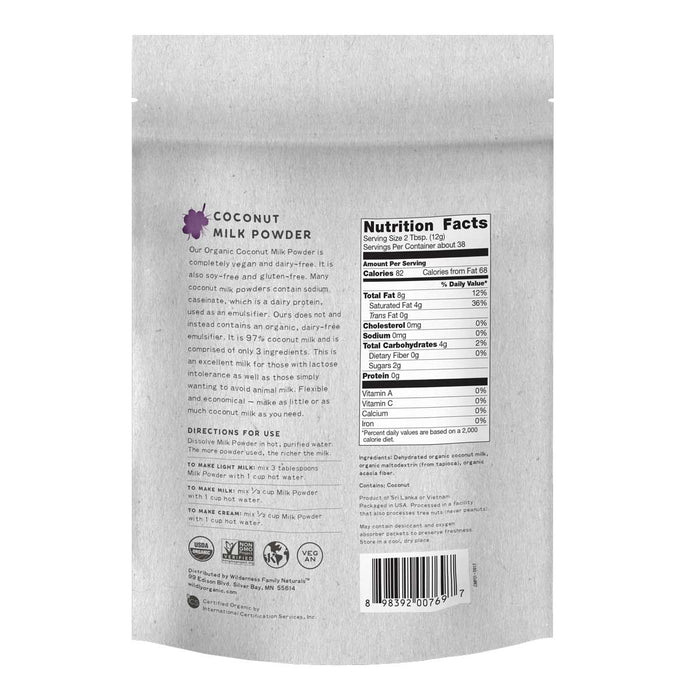
Wildly Organic’s coconut milk product, on the other hand, is of exceptional quality. With more than 97 percent coconut milk, our non dairy milk powder offers unrivaled purity. This pure and natural superfood is a rich source of:
- Vitamins: B1, B3, B5, B6, E, and K
- Minerals: magnesium, selenium, iron, and copper
- Healthy fats such as medium-chain triglycerides (MCTs)
- Powerful antioxidants: gallic acid, caffeic acid, and salicylic acid
A Convenient and Economical Choice
With Wildly Organic’s coconut milk powder, spoiled milk will become a thing of the past. You can use this shelf-stable powder to make as much coconut milk as you need without wasting or throwing away any product. Our convenient non dairy milk powder is there whenever you need it, saving you time on last-minute trips to the store.
Not only is this a dairy free milk powder and ultra nutritious – it’s also very versatile. Wildly Organic’s coconut powder can be used in any recipe that calls for milk or cream. Dissolve the milk powder in hot water to make a dairy-free creamer for your coffee, or use it as a replacement for milk in cooking and baking to make your favorite soups, curries, and desserts.
Directions for Use
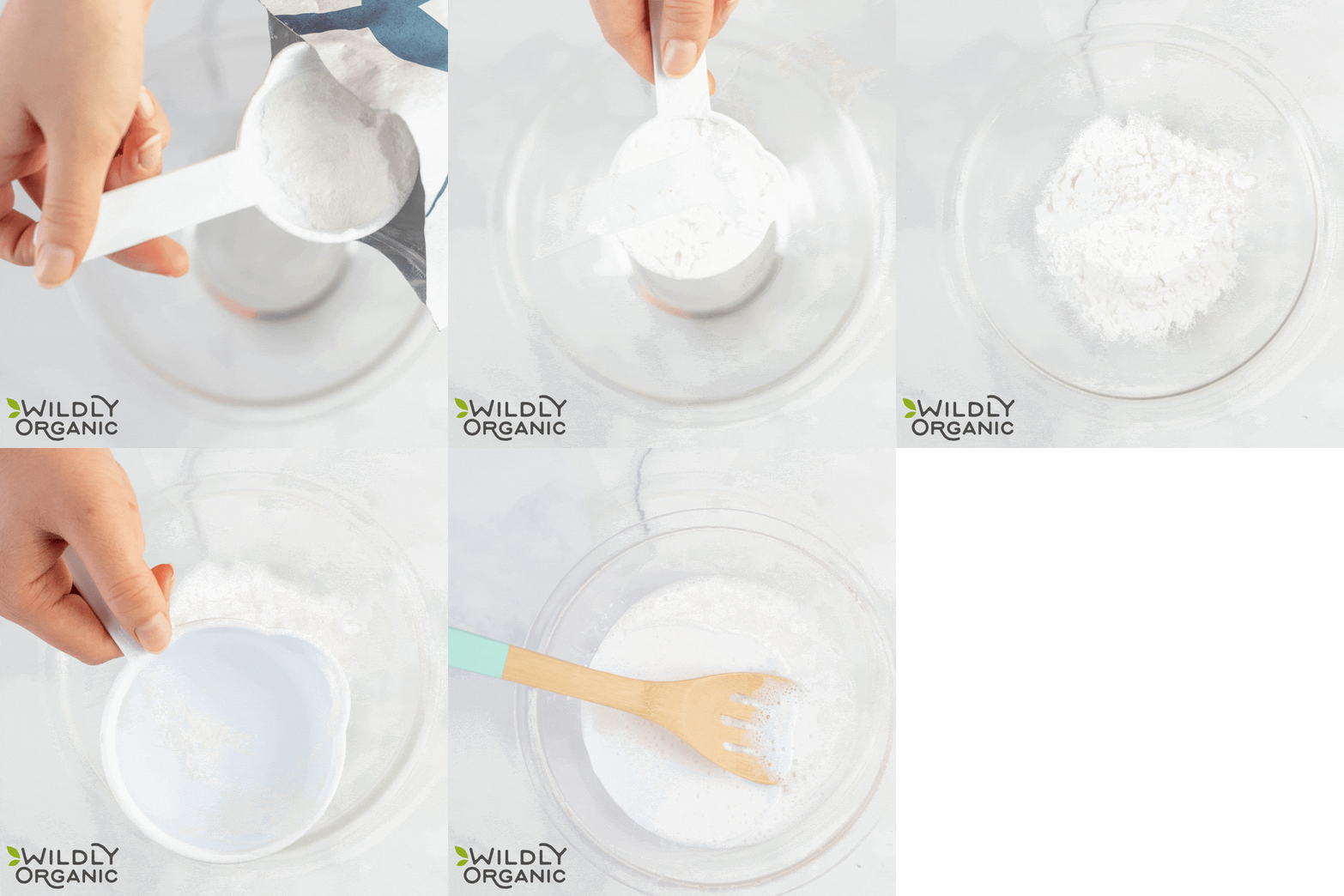
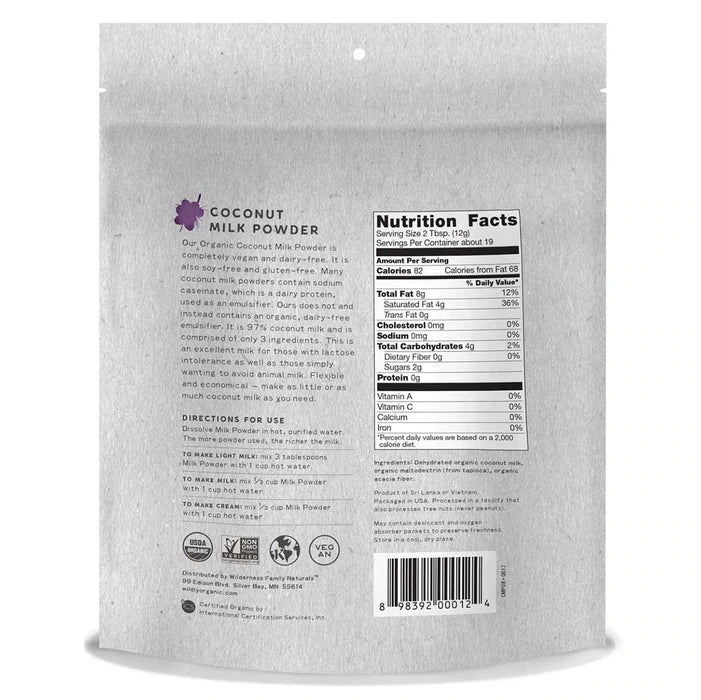
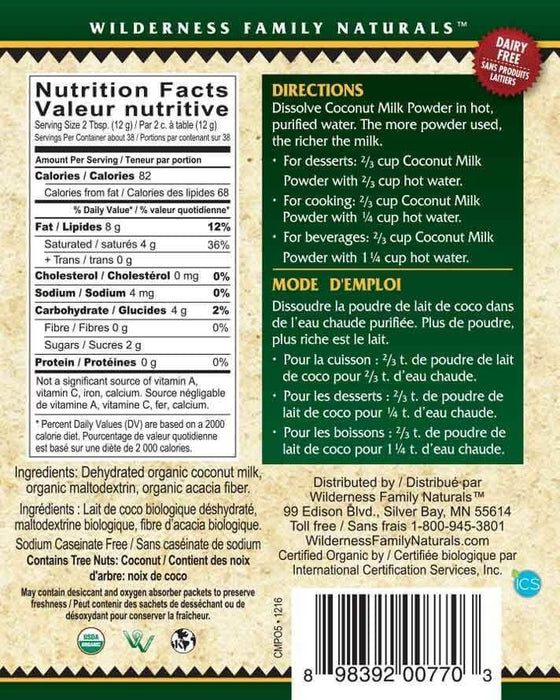
- Dissolve Wildly Organic’s coconut milk powder in hot, purified water. The more powder you use, the richer the milk will be.
- To make light milk: mix 3 TBSP non dairy milk powder with 1 cup hot water.
- To make milk: mix 1/3 to 1/2 cup (depending on desired richness) powder with 1 cup hot water.
- To make cream: mix 1/2 to 1 1/2 cups powder with 1 cup hot water.
Note: Because this product is minimally processed, the color, texture, taste, and smell may vary slightly from batch to batch. Additionally, this product can have a tendency to clump, but you can easily break up any clumps.
Ingredients: Organic dehydrated coconut milk, organic maltodextrin (tapioca-derived), organic acacia fiber. (Does not contain sodium caseinate).
Frequently Asked Questions
We’re happy to answer all Frequently Asked Questions about our coconut milk powder!
Is coconut milk powder the same as coconut milk?
Not all coconut milk powders are the same. Some coconut milk powders contain something called sodium caseinate, which is a dairy protein. Sodium caseinate is commonly used as an emulsifier to stabilize oil and water mixtures. This makes conventional coconut milk powders unfriendly to vegan and dairy-free diets.
Wildly Organic’s non dairy milk powder uses plant-based emulsifiers instead of sodium caseinate, making our product vegan and dairy free.
What is coconut milk powder used for?
It can be used for many things. We like using it as a dairy alternative in desserts, hot drinks, or sauces, dips, and dressings. Coconut milk powder is shelf stable and an easy way to support dairy-free living.
How much coconut milk powder to make one cup of milk?
To replace one cup of milk, we like to use ½ cup of powder and ⅔ cup of hot water. You can play around with the measurements – the more coconut powder you use, the richer the end result will be!
Is non dairy milk powder healthy?
Yes! Especially for those with dairy allergies or sensitivities, coconut milk powder is a great alternative to cow’s milk. For some people, our dairy free milk powder may result in less stress on their digestive systems and bodies.


- Sri Lanka